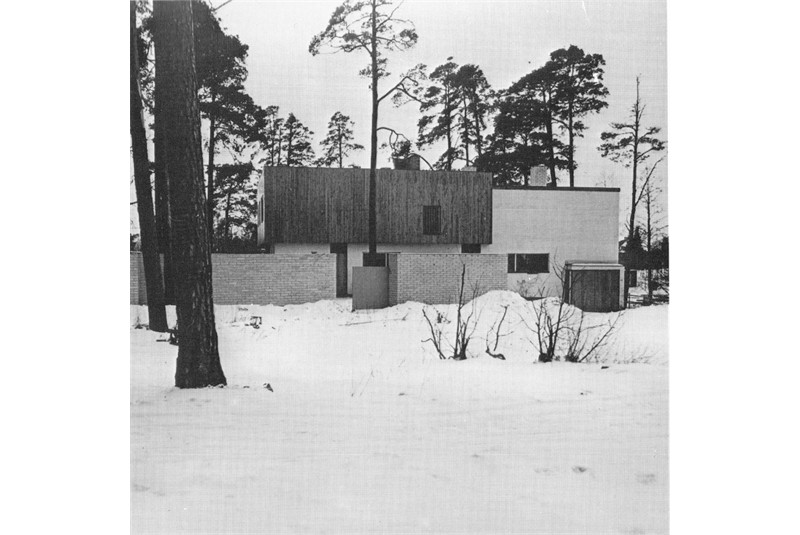
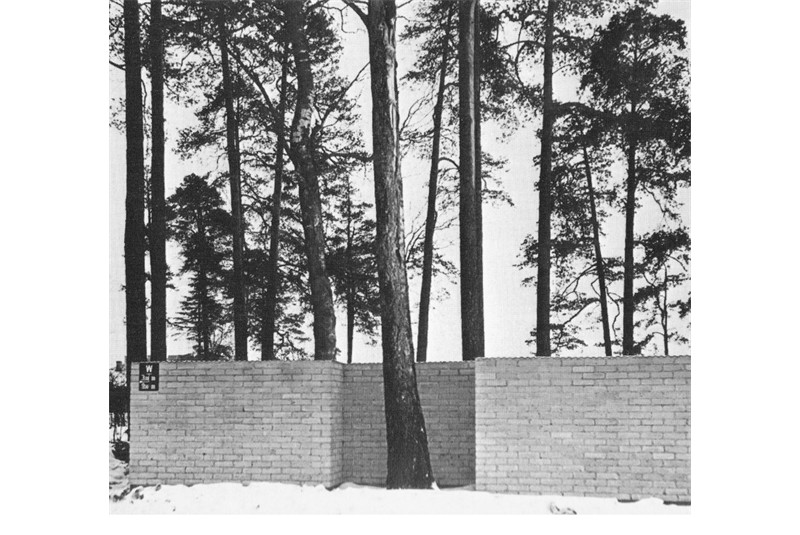
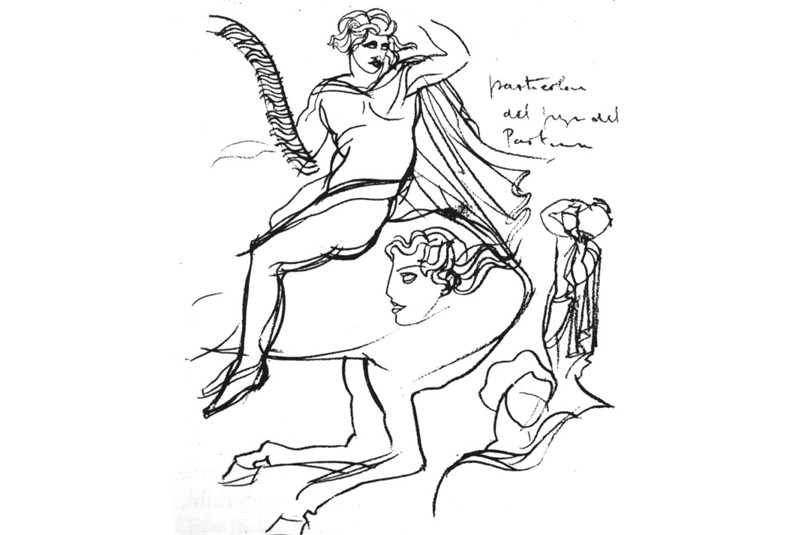
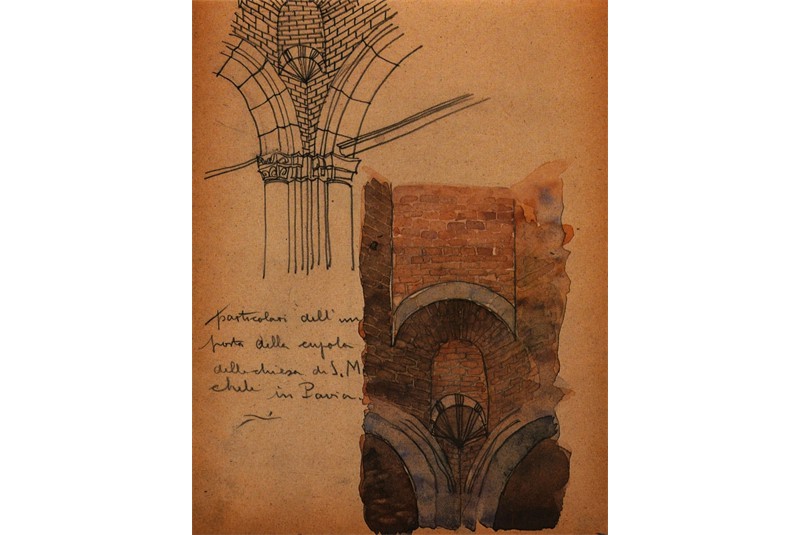
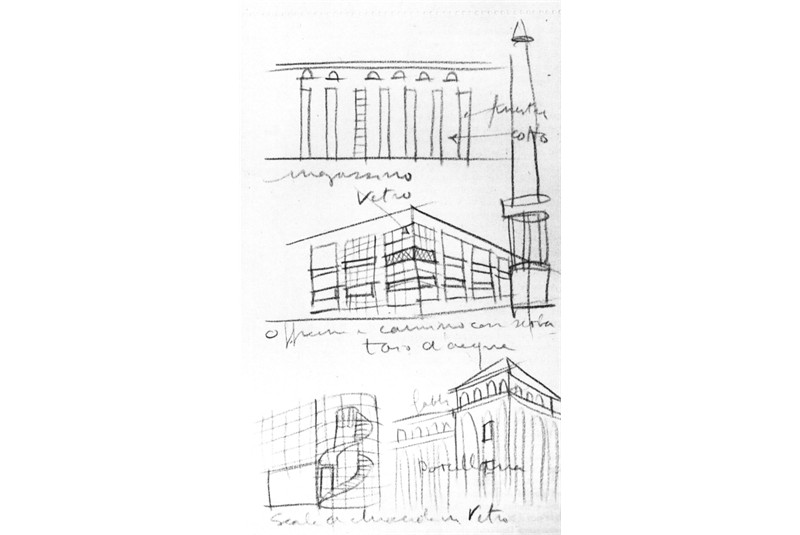
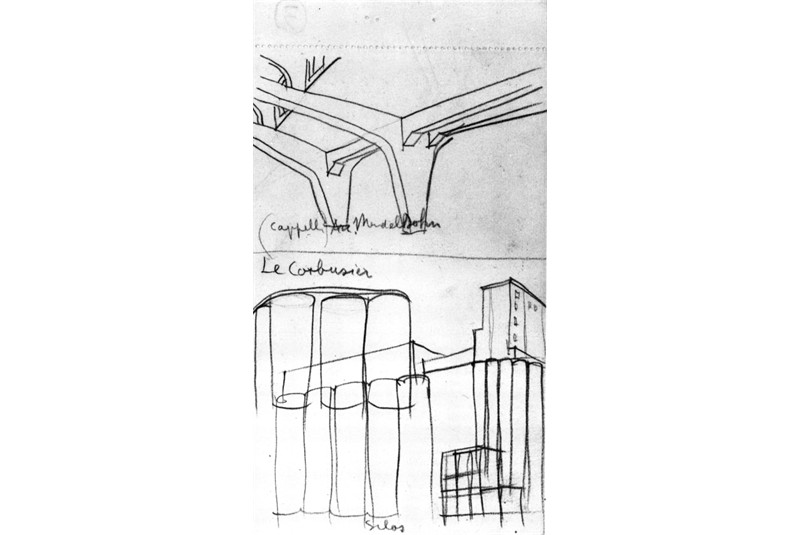
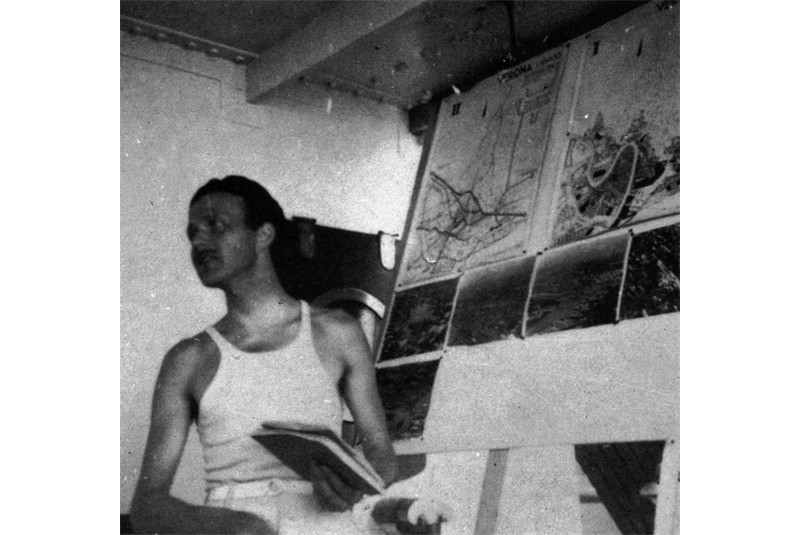
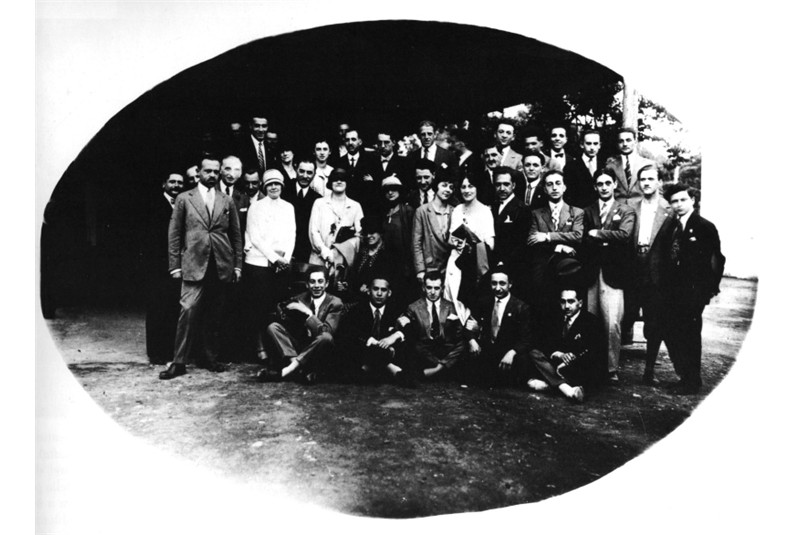
We were able to devote ourselves to our art and to our intellectual inclinations, and we were able to mold our private existence with more individual personality. We could live a more cosmopolitan life and the whole world stood open to us. We could travel without a passport and without a permit wherever we pleased. No one questioned us as to our beliefs, as to our origin, race, or religion. I do not deny that we had immeasurably more individual freedom and we not only cherished it but made use of it as well (Zweig 1942, 1943, p. 72).
Thus, Stefan Zweig, a cosmopolitan intellectual, recounts in The World of Yesterday: An Autobiography the Europe where he grew up, studied, traveled, and forged friendships with artists, intellectuals, and politicians. His journey explores Vienna, his hometown, Paris, Berlin, London, and Moscow, spanning half a century of history in a world that appeared stable and secure despite the emergence of nationalist claims. In this world, the mind could freely wander in search of knowledge, a world later disrupted by World War I and the rise of Nazism.
This was the Europe in which the generation of Giuseppe de Finetti (1892-1952), Giovanni Muzio (1893-1982), Giuseppe Pagano Pogatschnig (1896-1945), Piero Bottoni (1903-1973), and Ernesto Nathan Rogers (1909-1969) was formed.
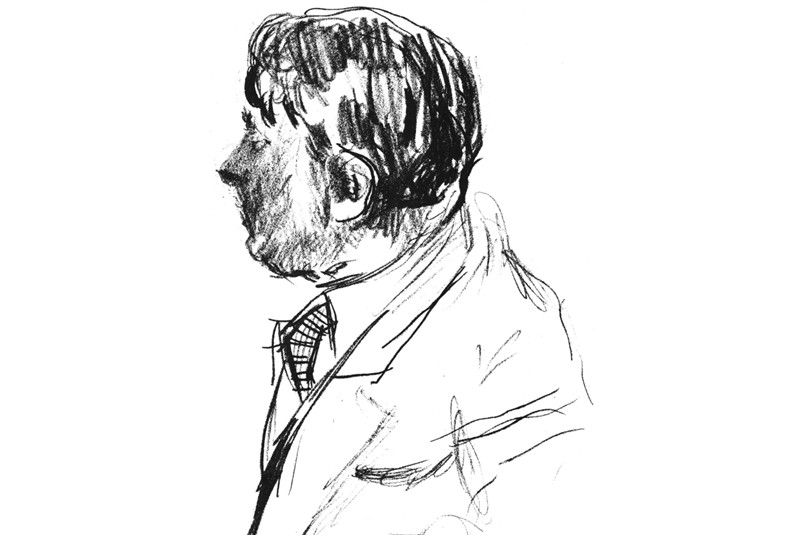
It was precisely in Stefan Zweig’s Vienna that the young Giuseppe de Finetti, born in Milan to a high-bourgeois family of Friulian origin, undertook his apprenticeship. After two years of architectural studies at the Regio Istituto Tecnico Superiore di Milano and the Accademia di Brera, de Finetti spent time in Berlin and, from 1913 until the outbreak of the First World War in Vienna, where he completed his education as the only Italian student with the group of young architects gathered around Adolf Loos’s school. Richard Neutra, one of the first to be «corrupted by the Viennese Socrates» recalls de Finetti as one of the most devoted students, passionate about nightlife (Neutra 1959, pp. 45-46).
The school’s curriculum included, every year, study trips to various destinations. In 1915, these included Frankfurt, Cologne, Düsseldorf, Brussels, Ostend, London, Rouen, Paris, Strasbourg, Stuttgart, and Munich[1]. This “journey” combined theory, practice, and direct engagement with architectural works, including those of the master, such as the house on Michaelerplatz and Villa Scheu, examples of Loos's Raumplan.
Returning permanently to Milan in 1920, after the war and a brief return to Vienna, de Finetti would combine architectural momentum and theoretical reflection, studying the city and its potential transformations, followed by increasing political engagement.
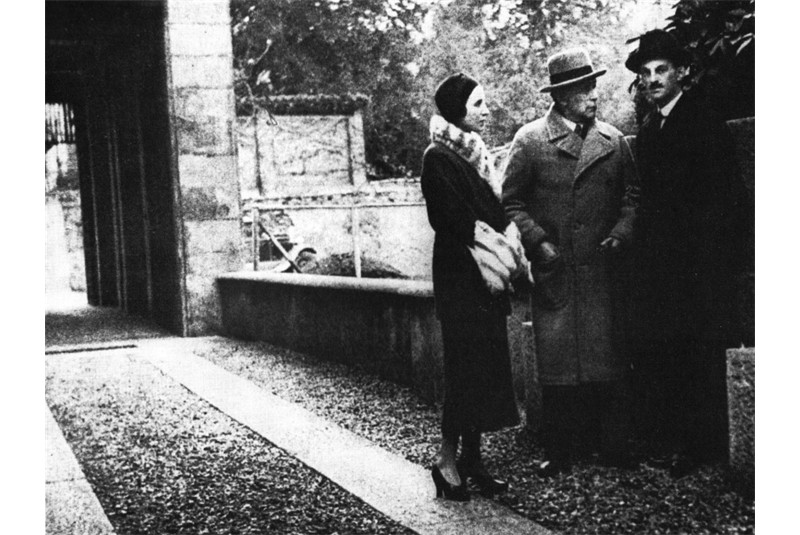
Direct testimonies of de Finetti’s Viennese experience are scarce, but it is certain that Loos and de Finetti met in Prague during the celebration of Loos’s sixtieth birthday[2], and again in Milan, where Loos visited the Casa della Meridiana, one of de Finetti’s early works[3]. The building, which was intended to be part of a larger residential complex called “Giardino d’Arcadia,” fully expresses de Finetti’s architectural exploration of the city, both in its overall design and in its figurative choices. Following Loos's prescription, the lower section, in direct contact with the street, “dominates” the upper section, which is relegated to “functional” purposes (Canella 1981).
In a sharp article on Wright, de Finetti recalls Loos as «the last classical and the only classical figure of our age» (de Finetti 1938, p. 55), demonstrating how both the Mitteleuropean lesson and the Lombard neoclassical tradition, exemplified by Piermarini and the 1807 plan, influenced his work, imbued with realism and modernity.
A similar contamination between the Lombard-Venetian tradition and the European context can be found in the much more prolific works of his contemporary Giovanni Muzio, with whom de Finetti shared the experience of the Club degli Urbanisti. In a 1931 article, Muzio praised him for the Casa della Meridiana, describing it as an «extremely intelligent example of the study of the housing problem, developed in the form of overlapping villas» (Muzio 1931, p. 1110).
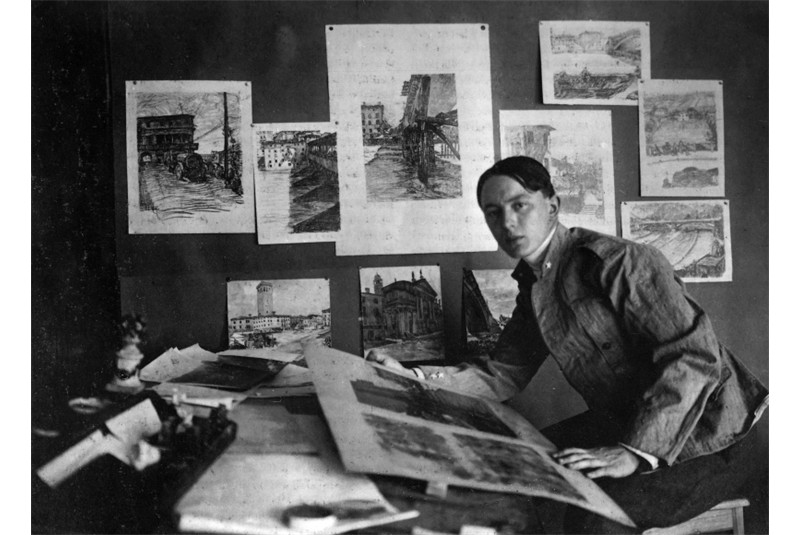
Born in Milan and from 1902 a “native” of Bergamo, Muzio began his education at the Facoltà di Ingegneria in Pavia, where he laid the foundations of his interest in Lombard Romanesque architecture through the survey of the sacred monuments of the city, and at the Regio Istituto Tecnico Superiore di Milano, where Gaetano Moretti taught him civil architecture. Here, he forged friendships with artists such as Sironi, Funi, and Boccioni. Like de Finetti, Muzio was involved in the First World War; he was sent to Piedmont, Veneto, and finally to Paris, where he spent his final year as a military member of the Peace Conference. Before returning to Milan, he traveled across Europe. Muzio himself recounts:
The periods spent in Vicenza, Verona, Bassano, and Friuli left a profound mark on me. The love for Palladio, which was born at that time, is still very much alive and close. My contact with Paris and from there with England and Germany [...] clarified the relationship between us and Europeans, from which I derived a jealous desire for autonomy and a search within the deepest roots of our Italian origins (Muzio 1982, p. 38).
Between the 1920s and 1930s, Muzio encountered Dutch architecture[4], particularly appreciating Berlage as «the most renowned and the boldest in modernity,»[5] as well as the Nordic architecture of Berlin, Hamburg, Copenhagen, Stockholm, and Helsinki[6].
In the few theoretical contributions that Muzio wrote and those about his work, the role of Palladio’s influence on him has been emphasized. However, it is also important to highlight, alongside the evident connection to Bramante at the Università Cattolica, that his constructivist-figurative exploration was influenced by the Kunst des Bauens of Nordic architecture. This influence is sometimes explicitly cited, not in a technical solution-driven manner, but through the mastery in the use of materials.
This is evident in the Palazzo dell’Arte, designed as an architecture with «temporary utility value, flexible internal adaptation, and, at the same time, durable constructive and figurative value» (Muzio 1980, p. 40)[7], where klinker brick replaces the traditional brick of Lombard Romanesque basilicas. Thus, the Lombard horizon becomes “contaminated” with the European technical-constructive culture, allowing the expressionist component to prevail over the classicist one.
In his university teaching, Muzio avoided architecture journals and histories in favor of “self-teaching,” encouraging students to travel and discover architecture to study and incorporate into their personal theoretical reference corpus. The power of direct experience, gained through his travels among Palladio, Paris, and Northern Europe, was repurposed in the spring seminar at the conclusion of the teaching cycle, as recalled by Leonardo Fiori (1988, p. 180), his long-time assistant at the Faculty of Engineering of Politecnico di Milano. A bus was rented, and all would board to visit a new city, after which Muzio, as the guide, would meticulously describe everything observed.
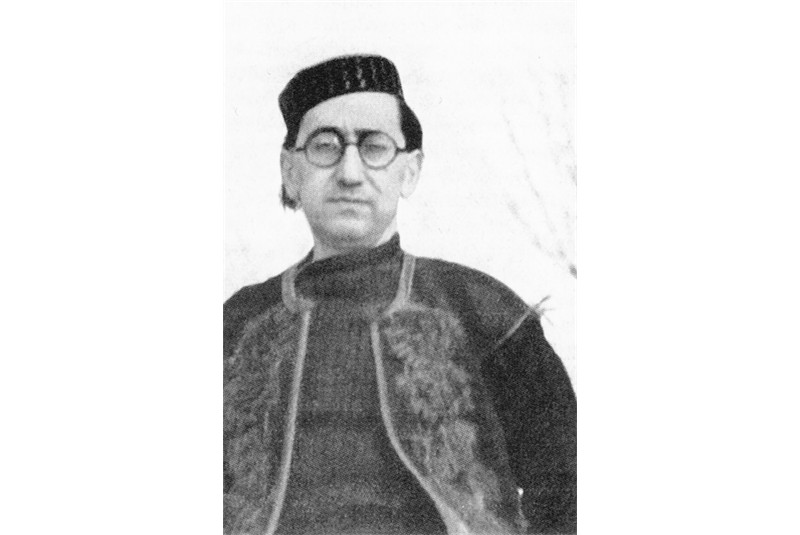
A few years younger, Giuseppe Pagano Pogatschnig, from Parenzo in Istria, began his high school studies in Capodistria and Trieste, a city he «felt belonged to the Europe of renewal» (Apih 1988, p. 96), and whose pre-war cosmopolitan atmosphere exerted “inevitable influences” on the young Giuseppe, as Persico (1934) stated in Punto ed a Capo per l’Architettura, supporting the idea that the new Italian architecture had arisen as a suggestion from abroad.
After the troubled years of war, Pagano attended the Politecnico di Torino, another city deeply connected to European cultural events, where the artistic life was dominated by figures like Lionello Venturi, Edoardo Persico, and Felice Casorati. An expression of Dalmatian irredentism and with a Mitteleuropean background, Pagano befriended figures from the Triveneto region who had come to Turin after the First World War: architects such as Ettore Sottsass Sr., Umberto Cuzzi, and Ottorino Aloisio, as well as artists like Arturo Martini and Luigi Spazzapan. He moved to Milan in 1931, where he continued his professional activity and began his long tenure as the director of «Casabella».
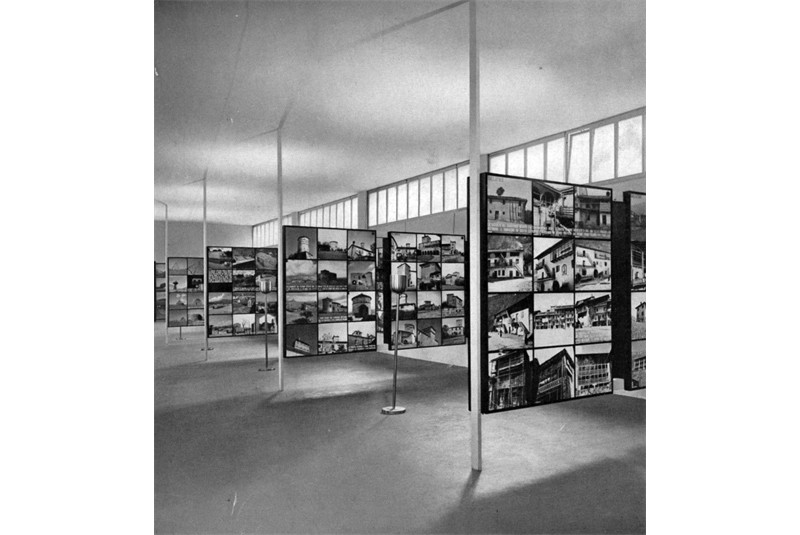
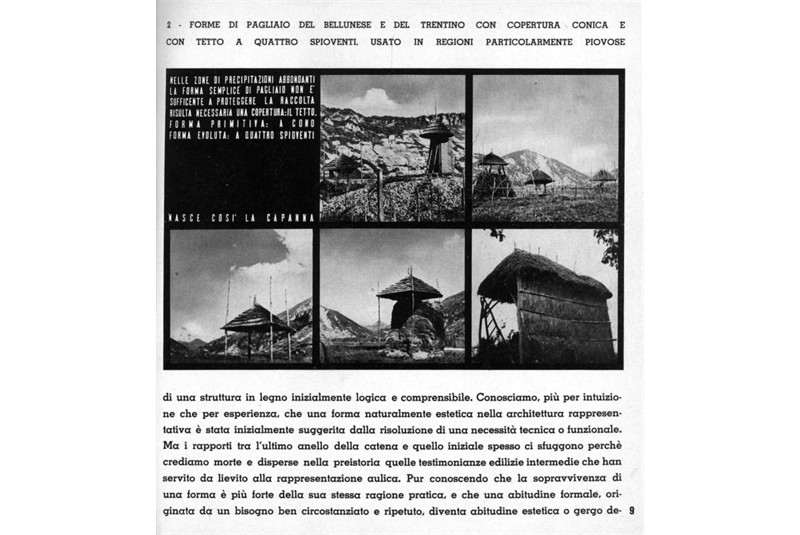
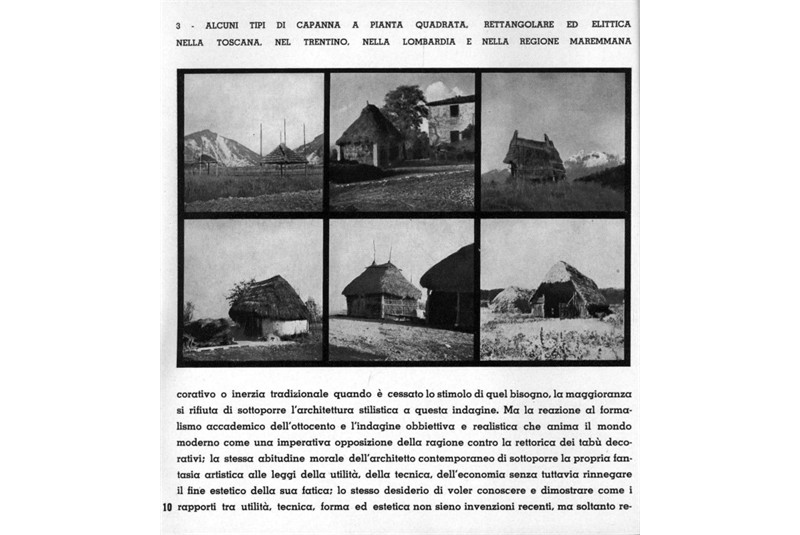
The most significant journey Pagano undertook was within Italy in 1935 to document rural architecture for an exhibition he organized with Guarniero Daniel at the 1936 VI Triennale in Milan.
I take pleasure in roaming across Italy to uncover new photographic and cinematic documents to add to my archive; to discover new aspects of a city, a region, a countryside, a landscape, or a work of art. In this way, I have gradually built my own vocabulary of images that speak of Italy in my own way and for me. […] An Italy of few words, made of landscapes rich in inexhaustible plastic imagination: the provincial and rugged Italy, which nourishes my modern temperament far more than the academies and compromises of the big cities (Pagano 1938, pp. 401-402).
In 1931, Pagano, alongside Gino Levi Montalcini, in the Villa Colli in Rivara, Canavese, had already anticipated the “rural” elements marking a revival of local tradition, explored in their research on rural houses (Persico 1931).
The interest in rural architecture parallels his fascination with ancient “civic” buildings, where he perceives early signs of modernity — clarity, simplicity, and geometry — features also present in the insulae dwellings of Pompeii, true “machines for living” (Pagano 1931).
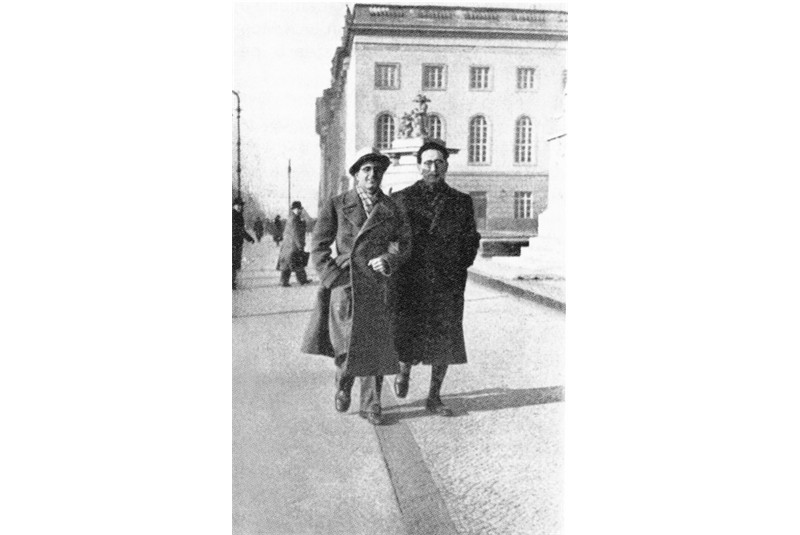
This journey marked the beginning of a passion, cultivated over the years, for understanding places through the photographic lens. The archive catalogued by Pagano (De Seta 1979) includes images, mainly focused on the Italian context, but also a series of photographs from a 1939 trip to the Nordic countries (Berlin, Helsinki, Oslo, and landscape photography). During this trip, Pagano had been invited to give a series of lectures and met Alvar Aalto; it was an opportunity to appreciate in person the places and architectures he had published in «Casabella» since the early days of his editorship, aimed to promote decisively and clearly modern Italian architecture and European artistic life (Pagano 1932). His archive also includes a photographic report from the war in Albania and Greece, where he served as the commander of the 17th Infantry Regiment.
Beyond those displayed at the Triennale, only a few photographs were published in «Casabella», «Domus», «Natura», «Fotografia», «Tempo illustrato», and «Cinema».
Pagano’s attention toward landscapes and ways of living, cultivated during the years of his «Casabella» editorship, would become even more acute during his deportation to the Mauthausen concentration camp, where he was interned and where he would die. His fellow prisoner Luigi Baiocco collected Pagano’s final spoken reflections on urban planning and architecture, foremost among them the idea for a Libro del ritorno (Book of Return) that Pagano had hoped to write upon returning to Italy.
His interest was […] directed toward the city of the future, toward the reorganization of the territory. But, in particular, he wanted to tell us about a book of his, which would have been titled Libro del ritorno (Book of Return). […] It was a book about landscapes, about the art of lesser-known peoples. […] He wanted to analyze their tastes, their methods of dwelling, the forms of their houses, the customs in small and large cities, in metropolises and in the countryside: he had divided the subject into three main chapters. Travelers in the world and how travelers and the world look at travelers (Pagano 1943).
From this follows the admonition: «If you want to rebuild, look at Europe and study Europe well. It is not the fifty-story skyscrapers that can give you direction» (Pagano 1940).
In the face of the wound represented by the Second World War, the study of European architecture is proposed by Pagano as a model and guide for reconstruction.
The Nordic journey, which exposed him to the cities and architecture of countries where the Modern Movement had matured most widely, perhaps marks the beginning of his crisis and the self-critical process toward fascism. This is reflected in his observations directed at Piacentini concerning the progress of the urban planning for the Rome World’s Fair, a project in which he had been involved since 1937 alongside Piacentini, Piccinato, Rossi, and Vietti (Pagano 1938, 1940). At the peak of the crisis, in March 1943, he published in «Casabella» a report by Alvar Aalto on the reconstruction in Finland, expressing hope that Aalto’s ideas could also keep alive the dream of a truly better future in Italy (Pagano 1943); this would lead to his resignation from the Fascist Party and his joining the Resistance.
Piero Bottoni, younger than de Finetti, Muzio, and Pagano, did not experience the First World War in the same military capacity as his older colleagues. However, as a very young student and boy scout, he assisted his mother, who was of Jewish descent, in her work as a Red Cross volunteer. In Milan, he attended the Scuola degli architetti civili del Politecnico in the same years as Figini, Pollini, Rava, and Terragni, with Albini, Palanti, and Pica joining in 1924. Regarding his education, Bottoni attributes the birth of modern architecture in Italy to Le Corbusier’s Vers une architecture, which was introduced to him by Terragni at the school of architecture. «We knew Gropius and had become his great admirers and students; but the real “nurse” was Le Corbusier» he recalls. Similarly, he acknowledges the role of Pier Maria Bardi in guiding the entire debate on modern architecture in Italy between 1929 and 1931, the period of formation, preparation, and the explosion of the movement[8].
A central figure, like Pagano, in the Italian rationalist experience, Bottoni dedicated his life to affirming and spreading the principles of modern architecture, «understood not as a stylistic repertoire but as an intellectual discipline, a “tendency” that imposed precise behavioral norms on its adherents, a way of life even before it was an architectural style» (Portoghesi 1973, p. 6).
Bottoni’s travels were inextricably linked to his participation in the CIAM from the early years after graduation. Together with Terragni, representing the Milanese group of CIRPAC he participated in the Frankfurt Congress and between 1931 and 1932, stayed in Obersel am Taunus near Frankfurt and then in Paris. During his stay in Germany, he visited the German Architecture Exhibition, inaugurated with the International Exhibition of Urban Architecture and Housing Systems. The rationalisation of interior spaces, adopted on an industrial scale in Frankfurt in the famous kitchen designed by Grete Schütte Lihotzky, was one of the topics of his early writings, alongside issues concerning the neighborhood and social housing, themes Bottoni would address throughout his career. These issues would later converge between Bottoni and Pagano, such as in their shared idea of promoting the “Triennale Quarter” – a permanent experimental neighborhood outside Parco Sempione that was to be built for the 6th Triennale, the first in Muzio’s new building, of which Pagano was the main instigator.
At the 4th CIAM in Athens, Bottoni was tasked with presenting the urban analysis of the Italian group regarding Genoa, Verona, Littoria, and Rome. He provided an immediate report on it:
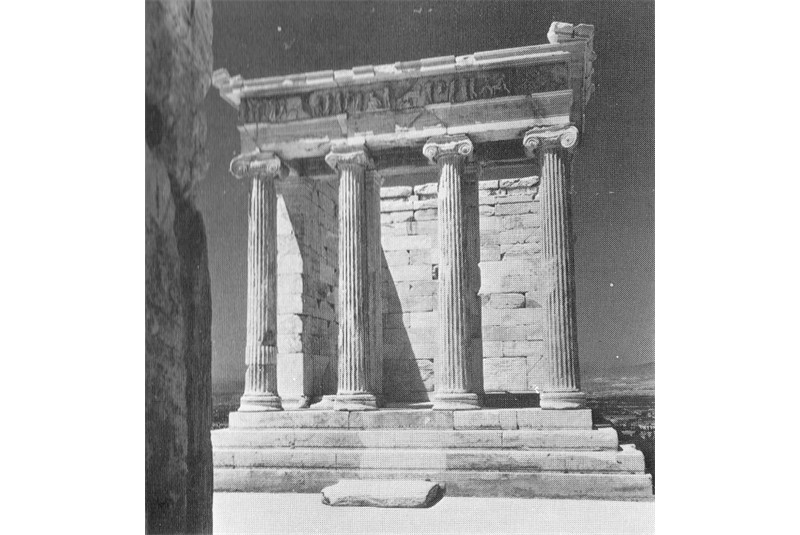
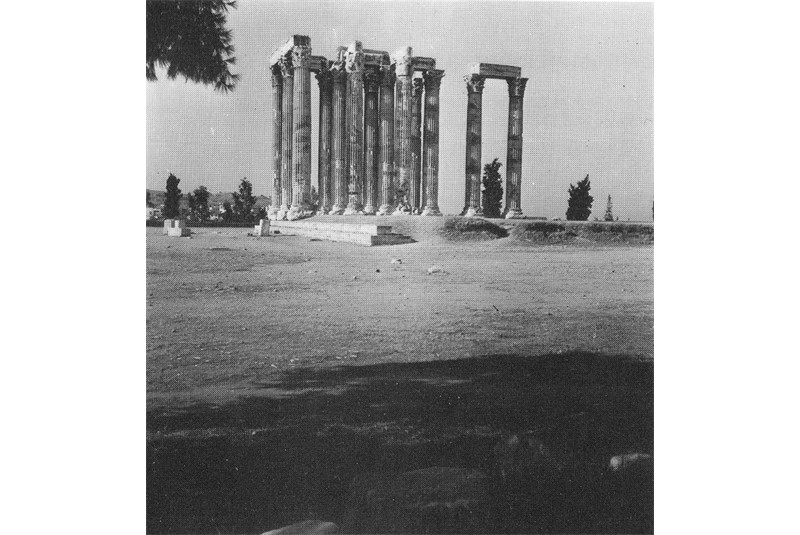
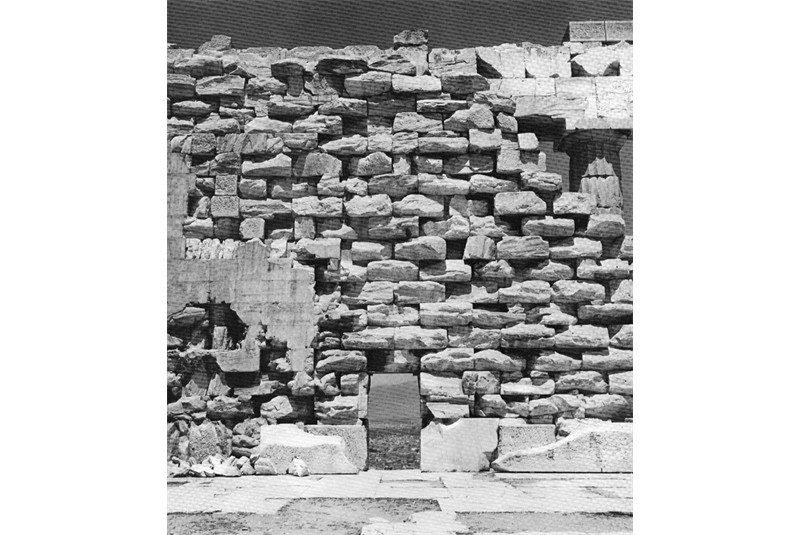
A trip to Greece in 1933 is a pilgrimage of ritual and devotion for a rationalist architect. [...] Upon arrival at the port of Piraeus, already from the gulf, under the blinding sun, against the backdrop of these calcified lands, the Acropolis looms: still about twenty kilometers away, it already speaks with its precise language. [...] One arrives in Greece mostly ignorant of the life of its modern people. [...] On the contrary, it is necessary to consider in modern Greece the inexhaustible value of tradition and to observe at the root of even the most current expressions of the life of its people, particularly in its architectural forms, the essence of ancient thought that is renewed (Bottoni 1933, p. 374).
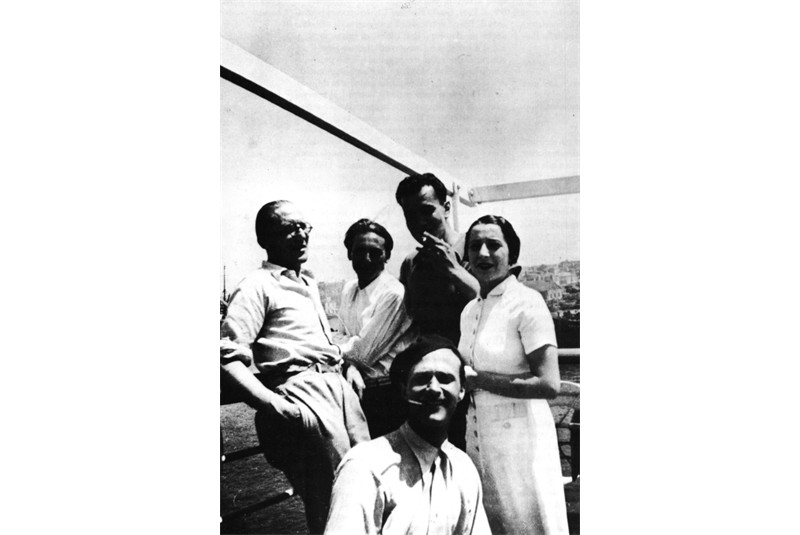
Years later, he would recall that the Athens Charter was the result of the work of the entire European avant-garde of modern architecture aboard the Patris II, so that «if it had sunk, it would have been a real disaster! Luckily, it floated and arrived in Greece» (Bottoni 1969, p. 10).
During those same years, Bottoni taught a supplementary course on the Urban Problems of Milan as a volunteer assistant to Giovanni Muzio, who was in charge of Urban Planning at the Faculty of Architecture. The same would occur after the war when, as a free lecturer, Muzio called him to teach a series of lessons on “Inchiesta e critica sulla città di Milano” (Investigation and critique of the city of Milan)[9]. This highlights the esteem of the “Novecentista” toward the “rationalist” approach.
As a delegate of CIAM, Bottoni continued to collaborate with European architects and critics, many of whom had emigrated to America. He had hoped to travel to the United States in 1959 with other Italian architects, but his access was denied due to his membership in the Italian Communist Party, to which he had been enrolled since 1944. He addressed the architects departing for New York with some regret:
In a few hours, the roar of the engines will mark the beginning of your much-anticipated journey, for which you have been preparing for days or, almost, months. The care for your spiritual luggage has not been less than for your physical luggage. […] Each of you, who still does not know America, will finally sit in the comfortable armchair of the plane and take stock of your knowledge, imagining, with your imagination, the phases of your journey and the country that awaits you. […] Your joy today is the prospect of tomorrow, knowing that tomorrow you will discover the truth about this fabulous country, now the mirage of centuries and generations. […] Greet my American friends for me, and greet the Statue of Liberty. (Bottoni 1959, pp. 378-379, 382)
A few years younger, Ernesto Nathan Rogers was born in Trieste like Pagano, to an Italian mother and an English father, in a city imbued with a cosmopolitan spirit, open to dialogue with diverse cultural traditions and a crossroads of European cultures. Therefore, his experience as a traveler is intrinsically linked to his origin.
Although Rogers traveled more than anyone, he never spoke directly about the role of travel: «Photographing architecture is almost impossible», he wrote in an article for «Casabella-Continuità» in memory of Werner Bischof, adding, «The deep reasons for this difficulty can be found in the very essence of the architectural phenomenon, which, although realised in precise spatial determination, cannot be understood unless one experiences its events in the live succession of moments that continuously alter its relationship with us» (Rogers 1955, Tav. I).
The idea of travel in Rogers’ work is intrinsically linked to a dynamic of loss and return, much like Ulysses’ journey, where the path is not linear, but one scattered with losses and discoveries. «...The relationship between space and time, as we experience it while traveling, still has something illusory about it, and it is also for this reason that every time we return from a journey, we never know with certainty if we have truly been away» wrote Sebald (2002, p. 19) in his famous novel Austerlitz.
This tension between space and time in Rogers’ work translates into a creative process capable of recomposing fragments of memory and meaning, an exercise of impression and interpretation that releases snapshots of memory. A journey, at times restless, of one who, exhausted, feels they have returned to the starting point:
Here I am, but I don't even notice having made the journey, because you kept holding me back as if clinging to the starting bank. I have the impression, due to inexplicable fatigue, of living a borrowed life, in a rented body, one that others have already worn out and consumed who knows where (Rogers 1938, 2000, p. 66).
Rogers has been traveling since his youth, discovering the world around him:
The Dalmatian landscape you pass through to go from Split to Trogir immediately reminds me of the Karst, with its barren rocks and dolines; but soon I see the gnarled, squat trunks of olive trees emerging from the stones, and the feeling of wild pride and suffering that emanates from this land penetrates me (Rogers 1930, 2010, p. 86).
Then there are the study trips across Europe he undertook right after graduating from the Politecnico di Milano, where he visited Paris, Berlin, Vienna, and encountered the works of the Modern Movement and the great masters. In 1935, he became a member of the CIAM, gradually taking on more important roles that would lead him to travel the world, especially after the war[10]. In Rogers, who was of Jewish descent, there is also the tragedy of travel after the enactment of the fascist racial laws; forced to leave Italy, he sought refuge in Switzerland and then in England, where he lived until the end of the Second World War. The memory of Guido Canella is moving. He first met Rogers as a child in September 1943 at Cadegliano, on the Swiss border, at the home of family friends gathered to decide what to do after the armistice:
Rogers arrived at sunset in an unusual outfit (if I remember correctly: a shoulder bag, military pants, knee socks instead of boots, a blue short-sleeved shirt, like Lacoste), with his innate and personal elegance; but I remember him especially for his very determined attitude, somewhat in contradiction with his person, who – as happens to all sensitive and intelligent intellectuals – seemed to be a few years older than he actually was. (Canella 1988, p. 233)
After the war, upon returning to Italy, Rogers’ travels continued to be a tool of work and inspiration. In addition to his participation in the CIAM, his commitment to the reconstruction of the country led him to visit many cities to study different intervention strategies; from Europe, important trips took him to the United States and Latin America. In the United States, he visited the works of architects like Frank Lloyd Wright:
When I arrived at Taliesin in Arizona, I was caught up in the drama of things as if everything, the rocks, the diabolical desert plants, the volcanic stones of the construction, were there to stir my blood and make it new. Yet there was no coincidence: the rust, the purple, the pink, the indigo of the colossal boulders were placed and oriented on the rough surface, wisely by a mosaic artist; even nature, in relation to the work, could seem artfully crafted, so much so that the rocky mountains, rising up to eight hundred meters from the wild land, appeared like the background of a Japanese garden. (Rogers 1959, p. 3).
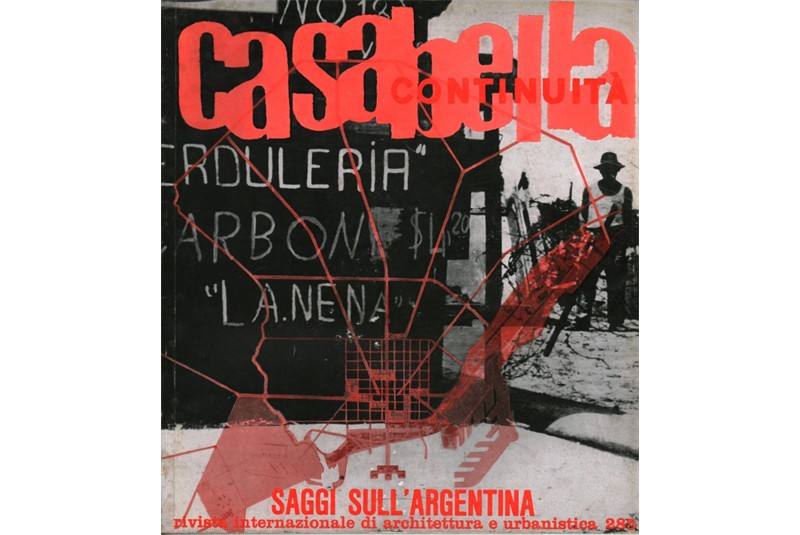
In Latin America, he was struck by the cultural and creative vitality, by the sense of “grandeur” of the vast prairies, establishing relationships with painters, sculptors, poets, and especially architects like Amancio Williams, Valerio Peluffo, and many others:
I was in Argentina in 1948, called by the Faculty of Architecture at the University of Tucuman, which, at that time, was opposing the Peronist regime as much as it could. […] And there circulated, right on the slopes of the wonderfully violet and coral-colored mountains, an atmosphere full of hopes like that carried by the poor Italian emigrant. (Rogers 1964, p. 3)
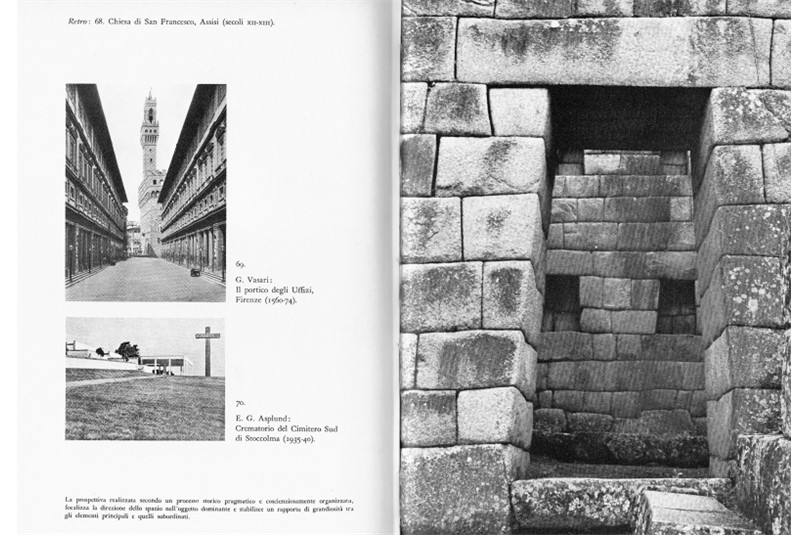
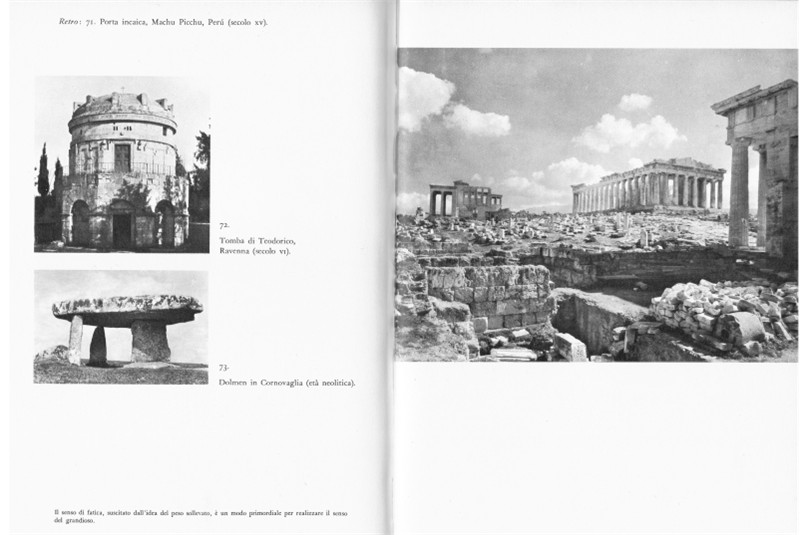
Trying to conclude this journey of itineraries, we are guided by Rogers himself through the direction of the magazine «Casabella», his «Casabella-Continuità», where he gathered around him a group of young architects representing the Italian architecture that was renewing itself after the war. They immediately adopted a sensitivity to travel, understood as a tool for knowledge and investigation of a constantly changing reality, a path of research and reflection aimed at investigating the “sense of history” and its meaning, as expressed so well in the «knowing how to read, to understand what is written»[11].
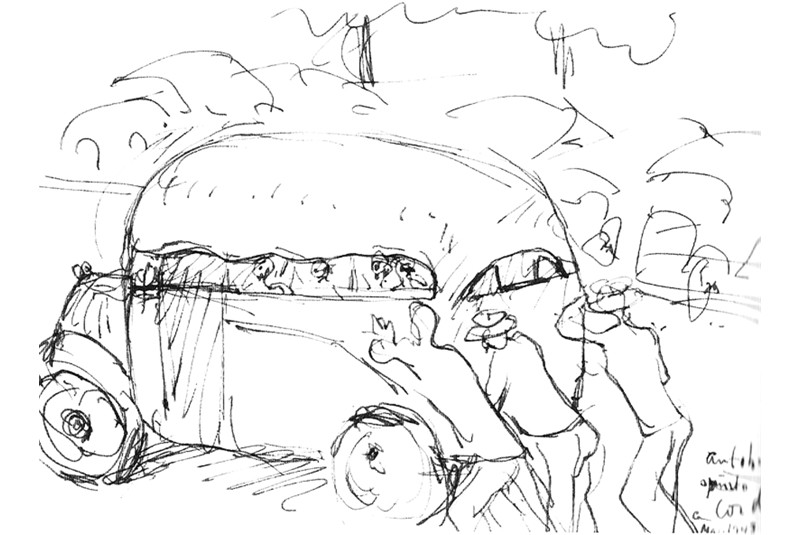
For this generation, travel becomes a means to question reality, a poetic act, a process of mediation between the past and the present, between the personal and the collective, between reality and imagination, but also a political, ideological, and militant act. The new generation of the Milanese school, born at the crossroads of the 1930s, did not produce travel drawings but observations made of words, beyond the appearance of the image, to bring everything back to an essential world and thus to the project.
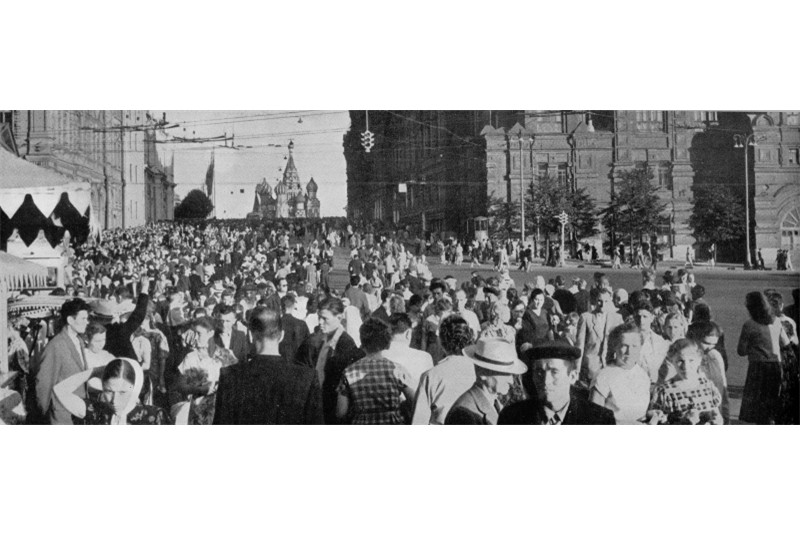
Among the many “pilgrimages”, the first trip to Russia by Guido Canella is memorable, which he himself defined as a “contextual interpretation” journey; completed in 1961 with a delegation from the Collegio degli Architetti di Milano led by Gio Ponti, with friends Achilli, Asti, Aulenti, and Cagna:
The first stop was in Budapest, where I managed to buy a collection of the magazine «Das Neue Frankfurt». That unforgettable trip then continued to Kiev, Moscow, and Leningrad. In Moscow, when we requested […] to be relieved of our official duties so that we could visit the remaining architecture of Constructivism, Gio Ponti generously made one of his buses available, squeezing the other travelers into the other bus. (Canella 2007, p. 7)
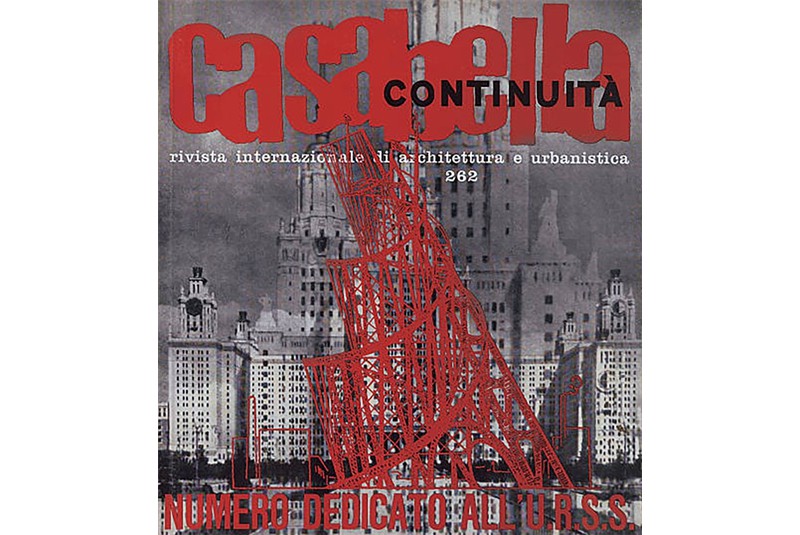
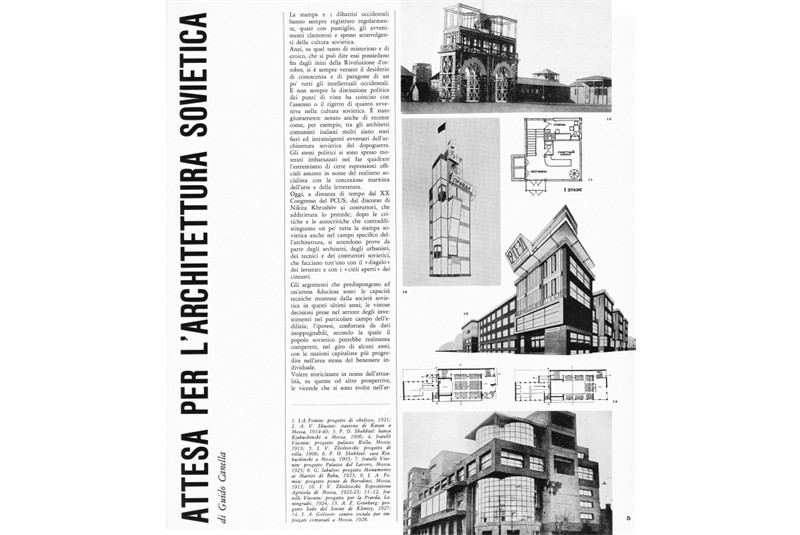
The results of this experience were collected in the famous Issue of «Casabella-Continuità» dedicated to the USSR, published a year later (AA.VV. 1962) which contains the article “Attesa per l’architettura sovietica” (Canella 1962) where, Canella’s anticipation, as Jean-Louis Cohen wrote, corresponds to two absolutely defined positions:
[…] that of Kopp, essentially interested in the utopian dimension of Russian avant-garde, its project to transform daily life; and the opposite one, formulated by the «Casabella» colleague Aldo Rossi, who, with a polemical focus, consecrates the architecture of socialist realism, since 1954 flowed – China included – into the Soviet bloc. (Cohen 2014, pp. 422-423)
Years earlier, Aldo Rossi, a friend of Canella, had also traveled to Russia[12]:
The attention to socialist realism helped me free myself from all the petty bourgeois culture of modern architecture: I preferred the alternative of Moscow’s great streets, the sweet and provocative architecture of the subway and the university on Lenin’s hills. I saw sentiment mixed with the will to build a new world […]. I became aware of architecture together with the popular pride of those showing me schools and houses, Moscow students, the Don peasants (Rossi 1990, pp. 45-46).
For Canella, travel would become a means of questioning reality, a form of research and investigation into architectures that normally escape analytical rationality, where memory becomes a design tool capable of recomposing both structural and historical facts into a coherent and personal vision[13]. For Rossi, however, travel would become an intimate process of mediation, an opportunity for theoretical reflection to give shape to symbolic figures that would transcend the simple experience of physical movement; a way of probing the territories of individual and collective consciousness in a solipsistic, laconic, solitary, individual, autobiographical dimension. For Rossi, travel thus assumes a mnemonic, almost dreamlike dimension, a déjà vu (Gubler 2014, p. 156) that opens to the lesson of the type, a narrative device that:
evades the space and time actually traveled in an attempt to find something that during the journey seems to have been lost or unfairly taken away. The territory is that of consciousness, both the individual consciousness of the artist and the collective consciousness of the public, while the work, through the reversal produced by rhetorical artifice, becomes the traveling subject suddenly estranged from the territory it traverses. (Fera 1991, p. 113)
To this generation of architects, perhaps among the last “romantic travelers”, undoubtedly belongs Gae Aulenti, part of the group associated with Rogers’ «Casabella», an indefatigable traveler since the early postwar years, whose gaze observed the cities during the reconstruction years, bringing her, as she herself would say, to understand architecture as “a useful profession”.
Aulenti traveled to satisfy her curiosity, to observe the world, not just to undertake a cultural pilgrimage, but a journey whose purpose was to fulfill a personal dream born from an intuition. Observation becomes a methodological act in which the observed object returns or reflects the culture and knowledge of the observer; not by chance, her most interesting trips were not strictly work-related, but those “special moments” she allowed herself to cultivate her interests and deepen new knowledge, «true study trips, observation, and analysis» (Artioli 2023, p. 8), for personal and formative growth.
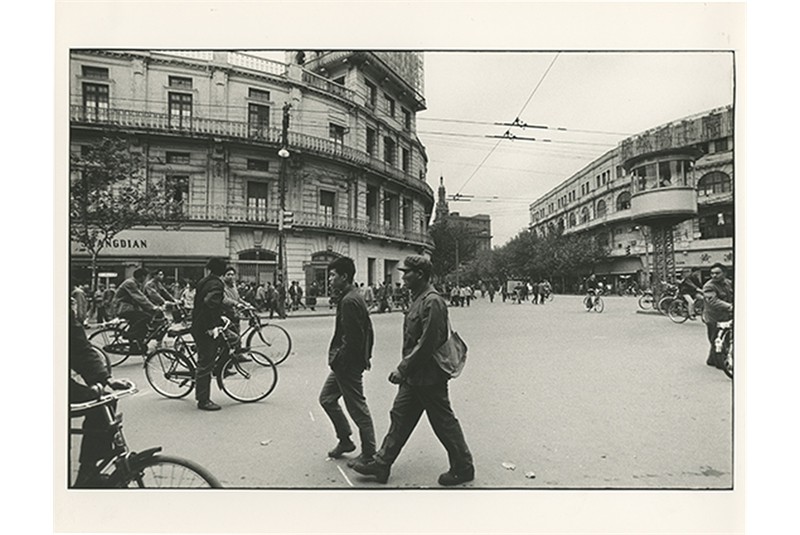
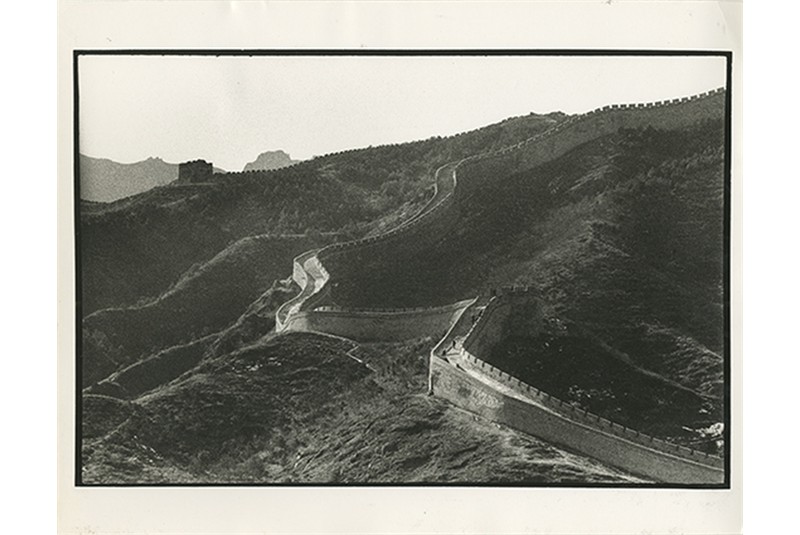
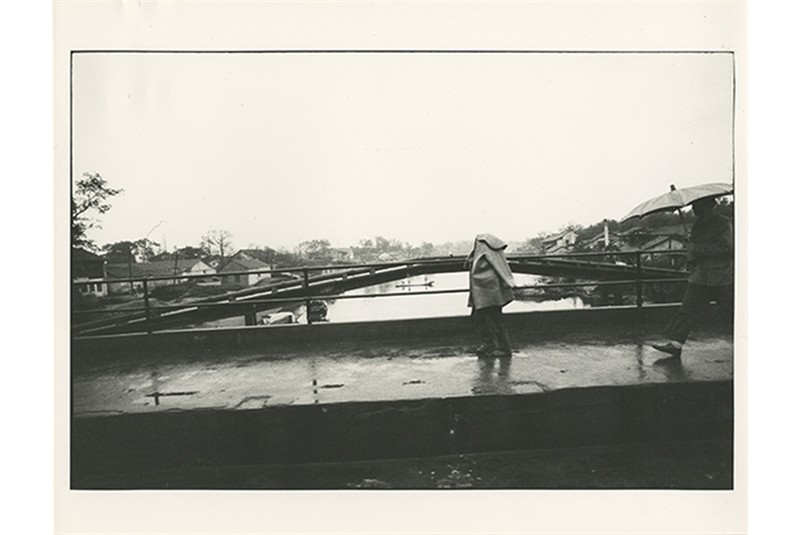
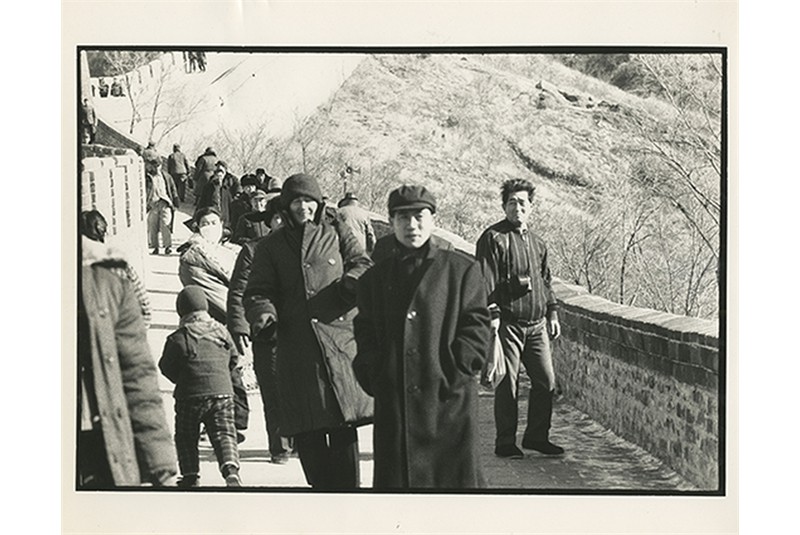
As Nina Artioli recalls, Gae Aulenti, since the years when she was a young university assistant, traveled to Russia, Mexico, the United States, but also to Egypt, India, Thailand, Indonesia, Jordan, Latin America, and then to China in 1974, as recently documented in the publication that collects the photographs she took[14]. The images testify to her personal investigation aimed at exploring a country then far from Western culture, the years of the Cultural Revolution observed by this generation with a wise curiosity, free from preconceptions:
The interior I describe is in the Kun Jian workers' district in Shanghai, which was built in 1952; the foreign visitor gradually realizes that it is presented as testimony of its political level, not as a technical exploration, which will instead be dedicated to newer or under-construction neighborhoods. (Aulenti 1974, 2023, p. 13)
Notes
*Regarding the definition of the Milan School, reference is made to the lecture given by Guido Canella during the course Teorie della Progettazione Architettonica (Theories of Architectural Design), taught by Antonio Monestiroli with Ilario Boniello in the academic year 2006-2007 at the Politecnico di Milano. The lecture, revised by the author, was transcribed and published in Canella G. (2010), A proposito della scuola di Milano. I. Boniello and Ge. Canella (eds.), Hoepli, Milan.
[1] See Adolf Loos-Bauschule, Architektenlexikon Wien 1770-1945, Architekturzentrum Wien. [online] Available at: <https://past.azw.at/page.php?node_id=172> [Last access 10 February 2025].
[2] The party took place in Prague on 10 December 1930 (De Benedetti 2009).
[3] Loos visited de Finetti in 1931 on a trip from Pilsen to France. See Ibidem.
[4] Giuseppe de Finetti participated in the International Congress of Architects held in the Netherlands in August 1927, in Amsterdam and The Hague.
[5] See Letter from Giovanni Muzio to Ugo Ojetti, dated August 10, 1927, Ojetti Archive, Gnam, Rome.
[6] Which is mentioned in the letter sent to Ugo Ojetti on August 7, 1931, Ojetti Archive, Gnam, Rome.
[7] Text of the meeting held on May 3, 1979, at the Institute of Architectural Composition of the Faculty of Architecture at the Politecnico di Milano, attended by, in addition to Muzio, Antonio Acuto, Guido Canella, Leonardo Fiori, and Gian Paolo Valenti.
[8] See Bottoni P. (1969) – “Intervento”. L’architettura, 1, year XV, May, 9-10. The issue is dedicated to the proceedings of the conference L’eredità di Terragni e l’architettura italiana 1943-1968, Como, September 14-15, 1968.
[9] In the academic years 1936-37 and 1937-38, as a voluntary assistant to Giovanni Muzio, he taught the supplementary course Problemi urbanistici di Milano. In 1951, he obtained the habilitation in Urban Planning. From the academic year 1952-53 to 1955-56, as a free lecturer, he delivered the course titled Inchiesta e critica sulla città di Milano, invited by Muzio.
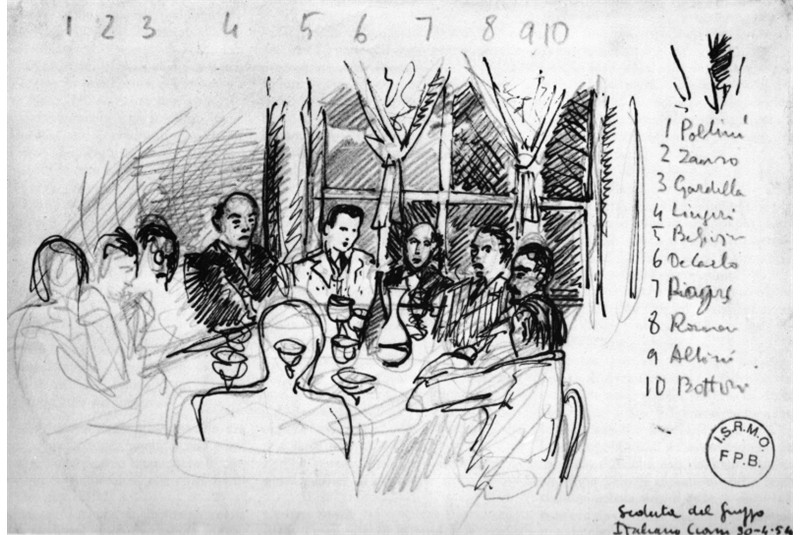
[10] Among his many activities, it is important to note that in 1947 Rogers assumed the role of vice president of the Permanent International Commission for the Reform of Architectural Education, chaired by Gropius. From 1952 to 1957, he directed the CIAM Summer Schools alongside Albini, De Carlo, Gardella, and Samonà.
[11] See Ernesto Nathan Rogers, Il senso della storia, Lecture given at the Course on the History of Modern Architecture. Politecnico di Milano, A.A. 1964/1965. Published posthumously in Id., Il senso della storia. Unicopli, Milan, 1999.
[12] In 1955, Rossi became a delegate at the UIS (International Union of Students) Congress in Rome. He then moved to Prague and later to the Soviet Union for a period of study and cultural exchanges.
[13] He particularly recalls the teaching and research experience, as well as the related trips with students and collaborators in Calabria, carried out during the two-year period between 1967 and 1969, working on the theme of the University of Calabria (Canella and D’Angiolini 1975).
[14] See the book that collects the photographs from Gae Aulenti’s trip to China, posthumously published in Aulenti G. (2023) – Cina 1974. Humboldt Books, Milan.
AA.VV. (1962) – “Numero dedicato all’URSS”. Casabella-Continuità, 262, April. ↩
AA.VV. (1980) – “Struttura e tradizione architettonica. Incontro con Giovanni Muzio”. Hinterland. Disegno e contesto dell’architettura per la gestione degli interventi sul territorio, n. 13-14, January-June, pp. 36-41. [Text of the meeting held on May 3, 1979, at the Institute of Architectural Composition of the Faculty of Architecture at the Politecnico di Milano, attended by, in addition to Muzio, Antonio Acuto, Guido Canella, Leonardo Fiori, and Gian Paolo Valenti].
APIH E. (1988) – Trieste. Laterza, Rome-Bari. ↩
ARTIOLI N. (2023) – “Viaggi di osservazione”. In: G. Aulenti, Cina 1974. Humboldt Books, Milan, pp. 6-10. ↩
AULENTI G. (2023) – “Interno cinese”. In: G. Aulenti, Cina 1974. Humboldt Books, Milan, pp. 12-15. ↩
BOTTONI P. (1931) – “Wohnstadt Frankfurt am Main”. La Casa Bella, 42, June, pp. 10-18.
BOTTONI P. (1933) – “Atene 1933”. Rassegna di Architettura, 9, September, pp. 374-383. ↩
BOTTONI P. (1959) – “L’America che amo. Lettera aperta agli architetti in visita a New York”. L’Unità, 13 March, now in G. Tonon (ed. by) (1995) – Bottoni. Una nuova antichissima bellezza. Laterza, Bari, pp. 378-382. ↩
BOTTONI P. (1969) – “Intervento”. L’Architettura, 1, year XV, May, pp. 9-10. ↩
CANELLA G. (1962) – “Attesa per l’architettura sovietica”. Casabella-Continuità, 262, April, pp. 4-16. ↩
CANELLA G. (1981) – Interrogativi ancora aperti su Giuseppe de Finetti architetto, now in G. Canella (author), E. Bordogna with E. Prandi, E. Manganaro (ed. by) (2010), Architetti italiani del Novecento. Christian Marinotti, Milan. ↩
CANELLA G. (1988) – “Per Ernesto Nathan Rogers”. In: M. Montuori (ed. by), 10 maestri dell’architettura italiana. Lezioni di progettazione. Electa, Milan, pp. 232-241, now in G. Canella (2010), Architetti italiani nel Novecento. Christian Marinotti, Milan, pp. 251-270. ↩
CANELLA G. (2007) – “Motivi di una antologia”. In: G. Canella and M. Meriggi (ed. by), SA Sovremennaja Arkhitektura. 1926-1930. Dedalo, Bari, pp. 7-8. ↩
CANELLA G. (author), BONIELLO I. and CANELLA Ge. (ed. by) (2010) – A proposito della scuola di Milano. Hoepli, Milan.
CANELLA G. and D’ANGIOLINI L. S. (1975) – Università. Ragione, contesto, tipo. Dedalo libri, Bari. ↩
COHEN J. L. (2014) – “Milano-Mosca: le attese di Guido Canella”. In: E. Bordogna, Ge. Canella and E. Manganaro (ed. by), Guido Canella. 1931-2009. Franco Angeli, Milan, pp. 422-423. ↩
DE BENEDETTI M. (2009) – “Profilo di Thelma de Finetti”. In: C. Cislaghi and M. De Benedetti (ed. by), Thelma de Finetti. Anni di guerra 1940-1945. Hoepli, Milan, pp. XIII-XXXIII. ↩
DE FINETTI G. (1931) – “Adolf Loos” (signed Mary). L’Ambrosiano, 17 July.
DE FINETTI G. (1934) – “Ornamento e delitto. Traduzione di G. de Finetti da A. Loos”. Casabella, January, pp. 2-5.
DE FINETTI G. (1938) – “L’America di Frank Lloyd Wright. Cenni critici”. Rassegna di Architettura, February, pp. 49-61. ↩
DE FINETTI G. (1945) – “La città di Potemkin. Traduzione da A. Loos”. La Città, December.
DE FINETTI G. (1947) – “Gli inutili” (translation from A. Loos). Paese libero, 2 June.
DE SETA C. (ed. by) (1976) – Giuseppe Pagano. Architettura e città durante il fascismo. Laterza, Rome-Bari.
DE SETA C. (ed. by) (1979) – Giuseppe Pagano fotografo. Electa, Milan. ↩
FERA S. (1991) – “Aldo Rossi: rielaborazioni. Viaggio e palinsesto”. Lotus International, 68, March, pp. 112-121. ↩
FIORI L. (1988) – L’architettura semplice. Luogo e produzione nella costruzione del progetto. In: M. Montuori (ed. by), Lezioni di progettazione. 10 maestri dell’architettura italiana. Electa, Milan, pp. 169-181. ↩
GAMBIRASIO G. and MINARDI B. (ed. by) (1982) – Giovanni Muzio opere e scritti. Franco Angeli, Milan.
GUBLER J. (2014) – Motion, émotions. Architettura, movimento e percezione. Christian Marinotti, Milan. ↩
IRACE F. (1994) – Giovanni Muzio 1893-1982. Opere. Electa, Milan.
MONTUORI M. (ed. by) (1988) – 10 maestri dell'architettura italiana. Lezioni di progettazione. Electa, Milan.
MURELLO S. (2021) – “Giuseppe Pogatschnig Pagano, ‘un istriano d’assalto’”. Quaderni del Centro di ricerche storiche di Rovigno, vol. XXXII, pp. 216-276.
MUZIO G. (1931) – “Alcuni architetti d’oggi in Lombardia”. Dedalo, fasc. XV, August, pp. 1082-1119. ↩
MUZIO G. (1980) – Giovanni Muzio, Opere. E. Bairati (ed. by), Franco Angeli, Milan. ↩
MUZIO G. (1982) – Giovanni Muzio. Scritti. A. Belluzzi (ed. by), Clup, Milan. ↩
NEUTRA R. (1959) – “Ricordo di Adolf Loos”. Casabella-Continuità, 233, November, pp. 45-46. ↩
PAGANO G. (1931) – “Architettura moderna di venti secoli fa”. La Casa Bella, 47, November, pp. 14-19. ↩
PAGANO G. (1932) – “Programma 1933”. Casabella, 60, December, pp. 9-10. ↩
PAGANO G. (1938) – “Chi si ferma è perduto”. Casabella-Costruzioni, 128, August, pp. 2-3. ↩
PAGANO G. (1938) – “Un cacciatore d’immagini”. Cinema, 60, 25 December, pp. 401-403. ↩
PAGANO G. (1940) – “Una solenne paternale”. Costruzioni-Casabella, 149, May, pp. 2-3. ↩ ↩
PAGANO G. (1943) – “La ricostruzione dell’Europa, capitale problema di attualità nel campo edilizio”. Costruzioni-Casabella, 183, March, p. 3. ↩ ↩
PERSICO E. (1931) – “Un cottage nel Canavese”. La Casa Bella, 45, September, pp. 16-26. ↩
PERSICO E. (1934) – “Punto ed a capo per l’architettura”. Domus, 83, November, pp. 1-9. ↩
PORTOGHESI P. (1973) – “Ricordo di Piero Bottoni”. Controspazio, 4, year V, October, pp. 6-7. ↩
ROGERS E.N. (1930) – Viaggio in Oriente. Corriere mercantile, 18-19 September, now in S. Maffioletti (ed. by) (2010) – Ernesto N. Rogers. Architettura, misura e grandezza dell’uomo. Scritti 1930-1969, Volume 1. Il Poligrafo, Padua, pp. 86-87. ↩
ROGERS E.N. (1955) – “Architettura e Fotografia”. Casabella-Continuità, 205, April-May, Tavv. I-VI. ↩
ROGERS E.N. (1959) – “L’ultimo incontro con Frank Lloyd Wright”. Casabella-Continuità, 227, May, p. 3. ↩
ROGERS E.N. (1964) – “Note sull’Argentina”. Casabella-Continuità, 285, March, p. 3. ↩
ROGERS E.N. (1964) – Il senso della storia, Lecture given at the History of Modern Architecture Course, Politecnico di Milano, A.A. 1964/1965, now in Rogers E.N. (1999) – Il senso della storia. Unicopli, Milan.
ROGERS E.N. (2000) – Lettere di Ernesto a Ernesto e viceversa. L. Molinari (ed. by), Archinto, Milan. [Unpublished letters written by Rogers between November 1938 and March 1939]. ↩
ROSSI A. (1990) – Autobiografia Scientifica. Pratiche, Parma. ↩
SEBALD G. W. (2002) – Austerlitz. Adelphi, Milan. ↩
ZWEIG S. (1942) – Die Welt von Gestern. Erinnerungen eines Europäers. English translation (1943), The World of Yesterday. An Autobiography. The Viking Press, New York. ↩
Adolf Loos-Bauschule, Architects Lexicon Vienna 1770-1945, database of the Architekturzentrum Wien. [online] Available at: <https://past.azw.at/page.php?node_id=172> [Last accessed 10 February 2025].
Letter from Giovanni Muzio to Ugo Ojetti, dated August 10, 1927, Ojetti Archive, Gnam, Rome.
Letter from Giovanni Muzio to Ugo Ojetti, dated August 7, 1931, Ojetti Archive, Gnam, Rome.